Let’s just say it upfront: pricing for Hydroxy Hyperbaric Therapy in Brisbane is all over the place. I’ve had clients come through the door having paid anywhere from $60 for a mild-pressure gym-style chamber session to well over $300 at medicalised facilities requiring a GP referral. The confusion – and frankly, the frustration – is understandable.
So let me do what I wish more clinics would do: be straight with you.
|
This post covers what HBOT actually costs in Brisbane, what drives the price difference between clinics, what you should expect to pay for a quality session, and – honestly – how to figure out whether it’s worth it for your specific situation. |
First, Why Is HBOT Pricing So Hard to Find Online?
Most hyperbaric therapy clinics in Brisbane don’t publish their prices. There’s a reason for that, and it’s not always sinister – some treatments genuinely depend on session length, chamber type, and what conditions are being addressed. But a lot of clinics are also playing a game of ‘get them in the door first’.
I’ve been doing this for over 20 years. My philosophy is different. If you’re going to invest your time, money, and trust in a therapy, you deserve to understand the economics before you pick up the phone.
What Does a Hydroxy Hyperbaric Therapy Session Cost in Brisbane?
Based on what’s available in Brisbane’s wellness market right now, a single HBOT session typically runs between:
- $60–$90 for mild hyperbaric sessions at gym-style recovery centres (lower pressure, shorter duration, often 45–60 minutes)
- $100–$180 for dedicated hyperbaric wellness clinics offering proper 1.3–1.5 ATA pressure sessions (60–90 minutes)
- $200–$400+ for medically supervised HBOT requiring specialist referrals, such as Wesley Hyperbaric
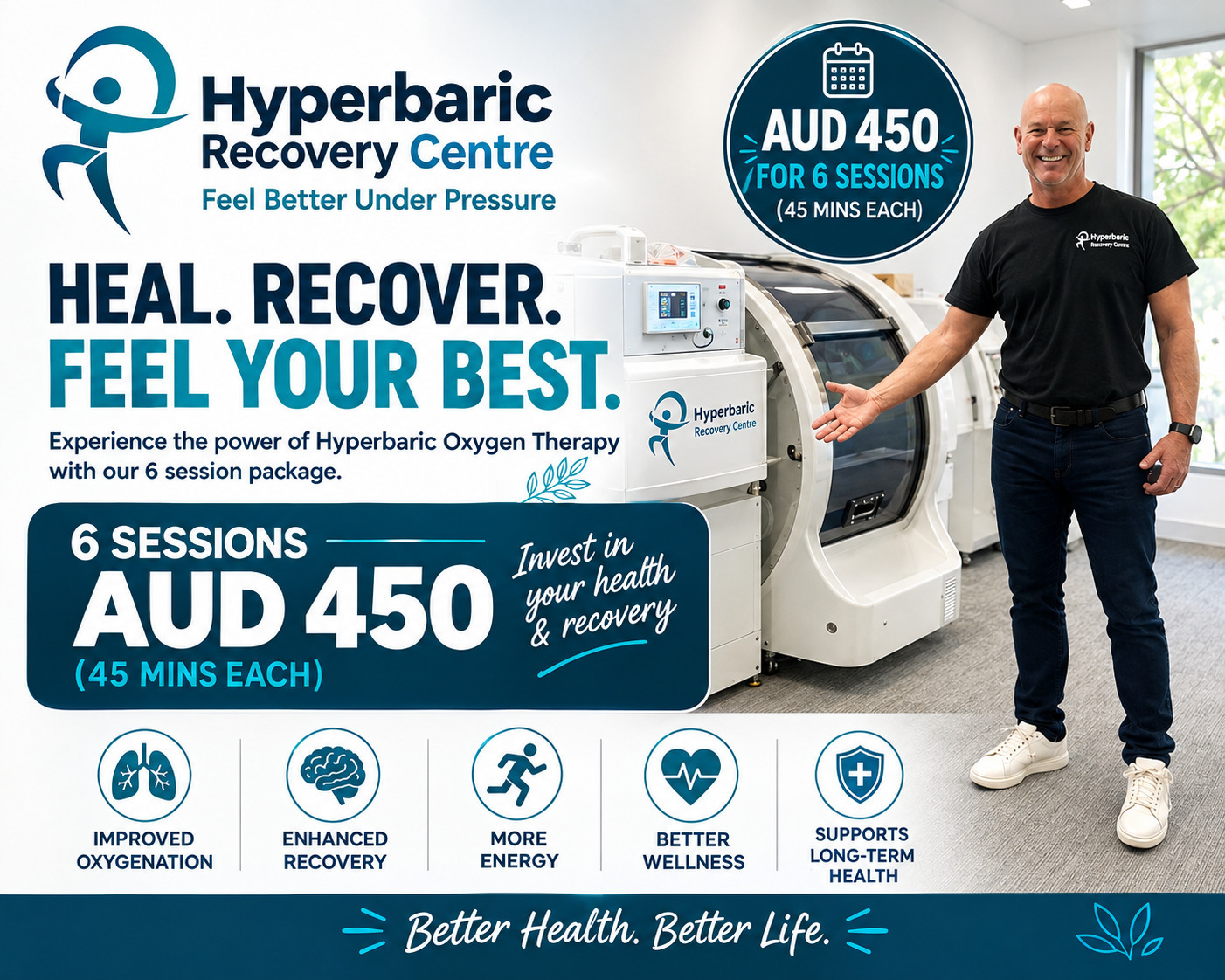
At Hyperbaric Recovery Centre in Bowen Hills, our sessions are in the mid-range – positioned for people who want real therapeutic results without the bureaucracy of a referral-only facility. We’re not a gym with a chamber bolted on. We’re a dedicated clinical environment run by a practitioner with over two decades of experience.
Package Pricing vs. Single Sessions
Here’s where most people get tripped up: a single session is rarely enough to see meaningful change. Think of HBOT a bit like physiotherapy – one session won’t fix a chronic shoulder injury, but 8–12 structured sessions often create a genuine shift.
That’s why most reputable Brisbane hyperbaric clinics (including ours) offer session packages. A typical structure looks like:
- Single session: $100–$150
- 5-session package: 10–15% discount
- 10-session package: 15–25% discount
- Ongoing wellness memberships: vary widely
|
Pro tip: Be cautious of any clinic offering deep discounts on ’40-session HBOT protocols’ upfront. That’s a significant financial commitment. Any practitioner worth their salt will want to assess your response after an initial series before locking you into a long programme. |
What Affects the Price of HBOT?
1. Chamber Type and Pressure Level
Not all hyperbaric chambers are equal. The difference between a 1.1 ATA ‘soft’ chamber and a 1.5 ATA rigid hard chamber isn’t just technical – it’s therapeutic. Higher pressure dissolves significantly more oxygen into your plasma, which is the whole point.
At our clinic, we use equipment that delivers genuine therapeutic pressure. The chamber experience matters too – comfort, space, whether you’re treated in a calm clinical setting or squeezed into a glorified sleeping bag.
2. Session Duration
Standard therapeutic sessions run 60–90 minutes. Some cheaper options cap at 45 minutes, which reduces the therapeutic dose. If you’re recovering from a significant injury or surgery, cutting the session short is a bit like leaving physiotherapy after 20 minutes because you ‘got the idea’.
3. Practitioner Expertise
This matters more than most people realise. A chamber is a chamber. Who’s managing your protocol – assessing your response, adjusting the approach, recognising when HBOT should be combined with other modalities – that’s where the clinical experience shows up.
I’ve worked with the Australian Institute of Sport, the Sydney 2000 Olympic medical team, the Australian Socceroos, and over two decades of individual clients with complex and chronic conditions. That background shapes how I read a client’s response to treatment. It’s not something you can fake.
4. Combined Modalities
One thing genuinely unique to our clinic: we offer hyperbaric oxygen/hydrogen therapy alongside musculoskeletal therapy and body psychotherapy. If your recovery has both a physical and an emotional dimension – and chronic pain almost always does – you can address both in the same session or appointment.
That integration has a real cost-effectiveness argument. Instead of paying a physio, a hyperbaric clinic, and a psychotherapist separately, you’re working with one practitioner who holds all three disciplines.
Is HBOT Covered by Private Health Insurance in Australia?
Bluntly: it depends on your policy and your condition.
Medically supervised HBOT for specific TGA-approved indications (like decompression illness, chronic wound care, or radiation injury) may attract Medicare rebates or private health coverage. Wellness-focused HBOT – the kind we offer for recovery, performance, and general health optimisation – typically isn’t covered under standard extras policies.
That said, the landscape is shifting. More Australians are pursuing proactive health management rather than waiting for a diagnosis. We encourage all new clients to check with their health fund before assuming no coverage exists.
|
The Therapeutic Goods Administration (TGA) regulates medical devices in Australia, including hyperbaric chambers. Practitioners operating in the wellness space are not making medical claims about curing diseases – and neither should any responsible clinic. What we can say, based on clinical experience and published research, is that HBOT supports the body’s natural healing processes in meaningful, measurable ways. |
How Many Sessions Will You Actually Need?
This is the honest question nobody wants to ask because the honest answer is: it varies.
For general wellness and recovery support? Many clients feel a shift after 3–5 sessions – better sleep, reduced inflammation, clearer cognition. For more complex conditions – chronic pain, post-surgical healing, fibromyalgia, neurological support – a protocol of 10–20 sessions over several weeks is more appropriate.
What I won’t do is tell you upfront that you need 40 sessions. I’ve seen that kind of prescribing at other facilities. Our approach is to start with an assessment, run an initial series, and evaluate your response before making longer-term recommendations. That’s how it should work.
Is It Worth It? A Practitioner’s Honest View
I’ve watched HBOT become a bit of a buzzword lately – every wellness hub seems to have one, Bryan Johnson made it fashionable again, and the biohacker community won’t stop talking about it. The hype is real. But so are the results.
For athletes recovering from injuries that won’t heal, for post-surgical patients whose inflammation is dragging their recovery, for people dealing with chronic fatigue or fibromyalgia who’ve tried everything else – when HBOT is used correctly, with the right chamber, the right protocol, and a practitioner who knows what they’re doing, it delivers.
I didn’t choose this work because it was trendy. I chose it because 20 years of hands-on experience showed me that improving oxygen delivery at a cellular level does things that nothing else does in quite the same way.
Frequently Asked Questions
Q: How much does Hydroxy Hyperbaric Therapy cost in Brisbane?
A: Single sessions in Brisbane range from $60 at gym-style wellness centres to $300+ at medically supervised facilities. A dedicated clinical wellness session at a specialist centre like ours typically sits in the $100–$180 range. Package pricing offers better value for the 8–20 sessions most conditions require.
Q: Is HBOT covered by Medicare in Australia?
A: Medicare rebates are available for HBOT in specific medically indicated conditions – decompression illness, chronic wounds, and radiation injury are examples. Wellness-focused HBOT sessions are generally not Medicare-rebatable. Check with your private health fund regarding extras cover, as some policies are beginning to include complementary health services.
Q: How many hyperbaric sessions do I need?
A: For general wellness and recovery, many clients notice benefits after 3–5 sessions. For chronic conditions, post-surgical recovery, or sports injury rehabilitation, a protocol of 10–20 sessions is more appropriate. At our clinic, we assess individual response before committing to a long-term programme.
Q: Are there any side effects from HBOT?
A: Mild hyperbaric therapy is generally well tolerated. Some clients experience temporary ear pressure changes (similar to descending in a plane) or mild fatigue in the first few sessions as the body processes increased oxygenation. These are normal and typically resolve quickly. There are no known lasting side effects from mild HBOT at therapeutic pressure levels.
Q: What is the difference between Hydroxy Hyperbaric Therapy and hydrogen therapy?
A: Standard HBOT uses pressurised pure oxygen to flood tissues with O2. Our clinic also offers hyperbaric hydrogen therapy, which introduces molecular hydrogen alongside oxygen. Hydrogen is a powerful selective antioxidant – it targets the most damaging free radicals without disrupting beneficial oxidative processes. Combined, they offer broader therapeutic effects than oxygen alone.
Ready to Find Out If HBOT Is Right for You?
The best place to start is a conversation – not a commitment. If you’re in Brisbane and wondering whether Hydroxy Hyperbaric Therapy fits your health goals, recovery timeline, or performance needs, reach out directly.
We’re at 273 Abbotsford Rd, Bowen Hills – a short drive from Fortitude Valley, New Farm, Spring Hill, and the Brisbane CBD.
|
📞 Call Matt: 0418 799 249 | 📧 matt@hyperbarico2health.com.au | 🌐 Book Online at hyperbarico2health.com.au |